

Foundation works best if you like long-term progression more than instant action.
Foundation: Galactic Frontier combines space exploration, fleet building, character recruitment, guild systems and a timer-driven progression loop. Official material presents it as a space strategy game built around exploration, combat and alliances, while its Steam listing places it alongside strategy, base building, RPG, 4X, management and multiplayer games.
RigGrade take: the important question is not whether the game has a lot of systems. It is whether you enjoy optimizing those systems over days and weeks.
What you actually do
You play as a Trader in the Foundation universe. The broad loop is familiar: expand your capabilities, strengthen a fleet, recruit champions, complete commissions and events, explore the galactic map and work with a guild.
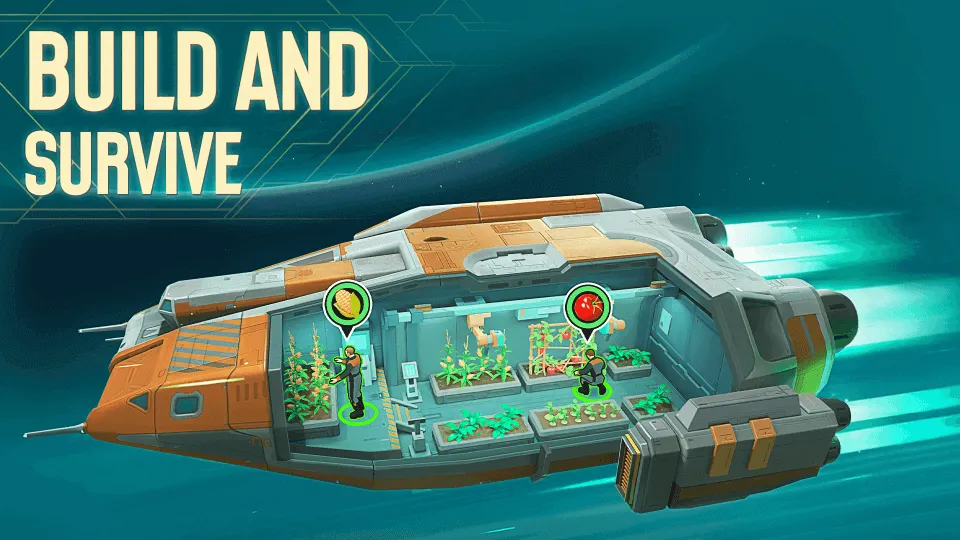
The official Home Port guide shows how central the management layer is. Your Home Port is where fleets regroup and redeploy; improving it unlocks stronger commissions and other advantages. Guilds add shared resources, coordinated battles and group events.


Fleet strategy has a real counter system
Ships use Beam, Kinetic or Ionic energy types, with strengths and weaknesses against one another. Champion synergy and flagship style add another layer before the fight begins. A meaningful part of the strategy happens in preparation and composition, not just during combat.
Watch the interface before you commit
For this type of game, a short gameplay clip tells you more than another thousand words. Judge the interface, combat tempo and amount of on-screen management before deciding whether the loop suits you.

Foundation: Galactic Frontier official gameplay trailer
Free to start does not mean friction-free progression
The game is free-to-play and its Steam listing notes in-game purchases and chance-based in-game purchases. Official beginner guidance makes timers part of construction, technology research, jump portals and events.
That does not automatically make the game a bad fit. It means pacing matters. A Macworld review praised the underlying concept and presentation but criticized frequent purchase prompts and pay-to-progress pressure.
RigGrade take: if you are comfortable with mobile-style timers and long-term account progression, Foundation is easier to recommend than if you want a self-contained strategy campaign with no monetization pressure.
What works and what may push you away
Reasons to try it
- Recognizable Foundation sci-fi setting
- Fleet composition and energy-type counters
- Exploration, guild and port-control systems
- Free entry point across supported platforms
- Progression depth for persistent-game players
Reasons to skip it
- Timers shape several progression systems
- In-game and chance-based purchases are part of the model
- Much of the strategy is preparation rather than direct control
- Not a traditional premium 4X campaign
- The license may feel lighter than some Asimov fans expect
Who should play Foundation: Galactic Frontier?
| Player profile | Fit | Why |
|---|---|---|
| Persistent online strategy fan | Strong | Progression, guilds, ports and fleet optimization reward long-term play. |
| Foundation / sci-fi fan | Mixed | The setting is recognizable, but the game loop comes before deep literary adaptation. |
| Free-to-play optimizer | Good | There is plenty to manage without an upfront purchase, provided you accept timers. |
| Traditional premium 4X player | Weak | The monetized persistent-service structure is a different proposition. |
| Fast-action player | Weak | Preparation, progression and management matter more than constant direct action. |
Worth adding to your rotation?
Foundation: Galactic Frontier makes the most sense as a persistent strategy game you check, optimize and return to. Its strongest hooks are fleet building, guild coordination and the fantasy of operating inside a large sci-fi universe. Its biggest trade-off is equally clear: timers and monetization will suit some players and immediately frustrate others.
If that loop sounds appealing, check the RigGrade Verdict for current platform and regional eligibility. This editorial page intentionally keeps the commercial decision separate.
See the RigGrade Verdict
Current availability, GEO eligibility and the supported install path live on Verdict.
See the RigGrade verdict →What this review is based on
RigGrade does not present this page as an in-house gameplay test. The analysis is based on official game documentation, current platform information and clearly attributed third-party review evidence. The Steam page was treated as a listing and not as proof of a released Steam version.